
What Causes Pigmentation? And How to Treat It Properly
 Skin Science · Pigmentation Guide
What Causes Pigmentation?
(And How to Treat It Properly)
Pigmentation is not just a dark spot problem. It is inflammation + UV + skin memory. Effective treatment needs SPF, pigment control, and barrier support — working together.
Dark spots, uneven tone, patches of discolouration — pigmentation is one of the most common skin concerns, and one of the most misunderstood. Most people reach for a brightening serum and wonder why nothing changes. The truth is, treating pigmentation with one product alone is like trying to fix a leak with a single piece of tape.

To treat it properly, you need to understand what’s actually happening beneath the surface — and why your skin keeps “remembering” those dark spots even after they fade.
Part one
Not all pigmentation is the same
Before choosing a treatment, it helps to know which type you’re dealing with. Each has a different root cause — and a different response to treatment.
Sun / UV damage
Caused by cumulative UV exposure triggering excess melanin production. Appears as flat brown spots, often on the face, hands, and décolletage. The most common type.
Post-inflammatory (PIH)
Left behind after inflammation — spots, acne, eczema, or injury. The skin overproduces melanin as a protective response. Darker skin tones are more susceptible.
Melasma
Hormonally driven — commonly triggered by pregnancy, the contraceptive pill, or HRT. Appears as larger symmetrical patches across the cheeks, forehead, and upper lip.
Age-related spots
Years of unprotected UV exposure accumulate over time. These spots are stubborn and slow to respond — prevention in earlier years is always more effective than treatment later.
Part two
The pigmentation triangle: UV + inflammation + skin memory
Here’s what most people miss: pigmentation is rarely caused by one thing alone. It’s the result of three forces working together — and if you only address one, the others will keep reactivating it.
UV exposure
Activates melanocytes — the cells that produce melanin. Even incidental daily UV through windows or on cloudy days is enough to stimulate pigment production and undo treatment progress.
Inflammation
Any form of skin stress — breakouts, sensitivity, aggressive exfoliation, heat — triggers a melanin response. Over-treating pigmentation can paradoxically worsen it.
Skin memory
Melanocytes “remember” previous triggers. Even after a spot fades, the cell is primed to repigment when stimulated again — which is why pigmentation returns so reliably without maintenance.
Without addressing all three simultaneously, pigmentation will always return — no matter how good the treatment.
Part three
How to treat it properly: the three-pillar approach
Effective pigmentation treatment is a system, not a single product. These three pillars work together — remove any one of them and the others lose most of their effectiveness.
Daily SPF — non-negotiable
SPF is the single most important step. Without it, UV undoes every treatment you apply. Broad-spectrum SPF daily, rain or shine, indoors or out. Reapply every two hours if outdoors.
- SPF 17–50+
- Broad spectrum
- Daily wear
Pigment control actives
Ingredients that interrupt melanin production at different points in the cycle. Used consistently at the right concentration, these visibly fade existing pigmentation and prevent new spots forming.
- Vitamin C
- Retinol
- LG-Retinex
- Alpha arbutin
Barrier support
A compromised barrier means more inflammation — which means more pigmentation. Keeping the barrier healthy reduces the reactive triggers that cause melanin to overproduce in the first place.
- Ceramides
- Peptides
- Niacinamide
- Gentle cleansing
“The biggest mistake in treating pigmentation is doing too much, too fast. Aggressive peels and high-strength actives cause inflammation — which triggers more pigmentation. Slow and consistent wins every time.”
Common mistakes
What keeps pigmentation coming back
Skipping SPF on cloudy days
Up to 80% of UV rays penetrate cloud cover. Daily SPF applies to every single day, not just sunny ones.
Over-exfoliating
Stripping the skin barrier causes inflammation. Inflammation triggers melanin. Less is more — especially with acids and physical scrubs.
Stopping treatment too early
Pigmentation fading is slow — 8 to 12 weeks minimum. Most people stop just before results would have shown.
Using heat on the skin
Hot showers, saunas, and steam rooms can aggravate melasma and PIH. Cool to lukewarm water is significantly kinder to pigmentation-prone skin.
Featured products
The bright skin edit
Each of these formulas addresses a different layer of the pigmentation problem — from DNA-level repair to daily UV protection. Used together, they form a complete pigmentation protocol.
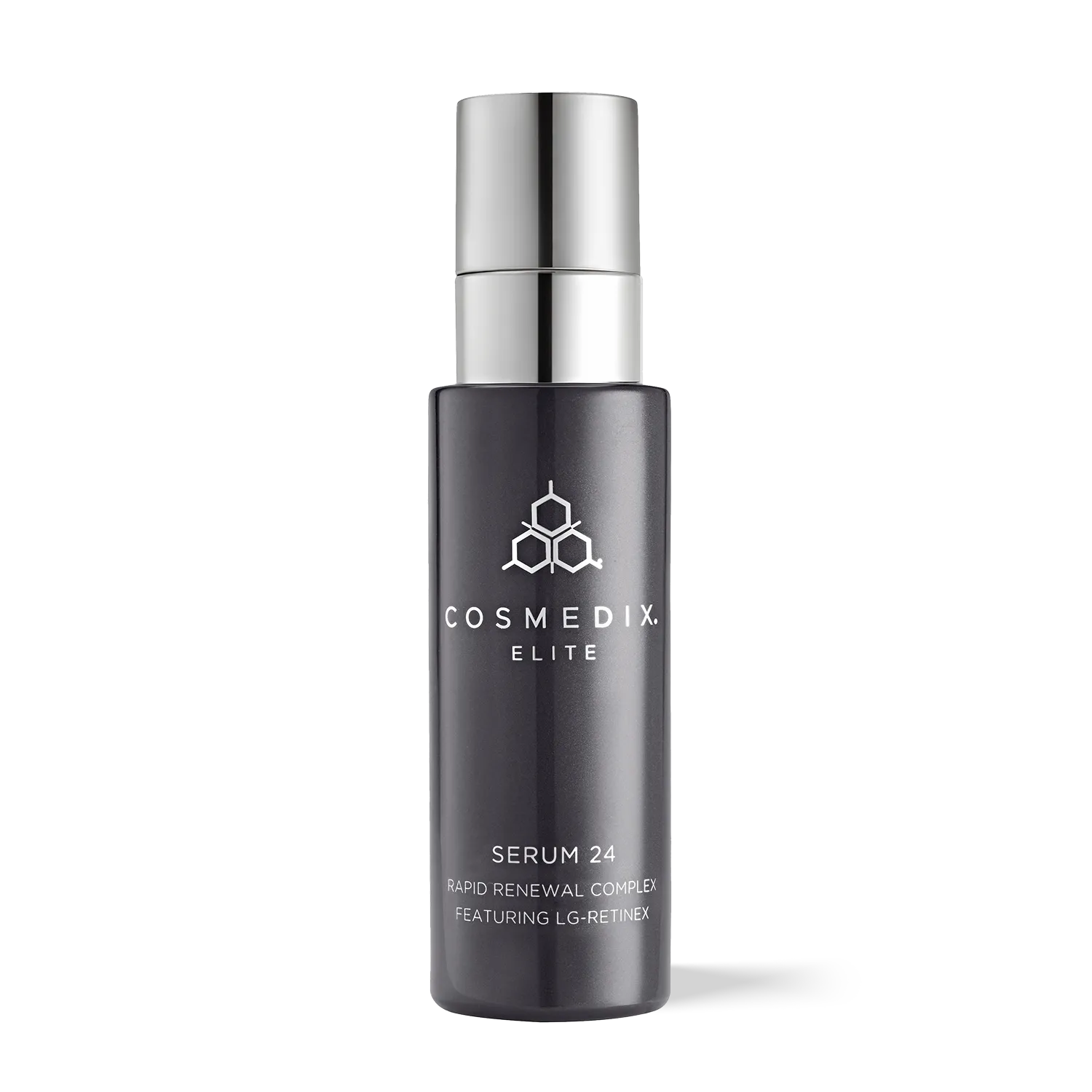
Serum 24 30ml
The closest thing to prescription-strength age defiance without a prescription. In a six-week clinical study, this breakthrough serum visibly reduced the appearance of sun damage, age spots, and deep lines including crow’s feet. Formulated with a 24% LG-Retinex complex — a proprietary blend that targets pigmentation at the source without the irritation of traditional retinol.
- LG-Retinex 24%
- Sun damage
- Age spots
- Chirally correct
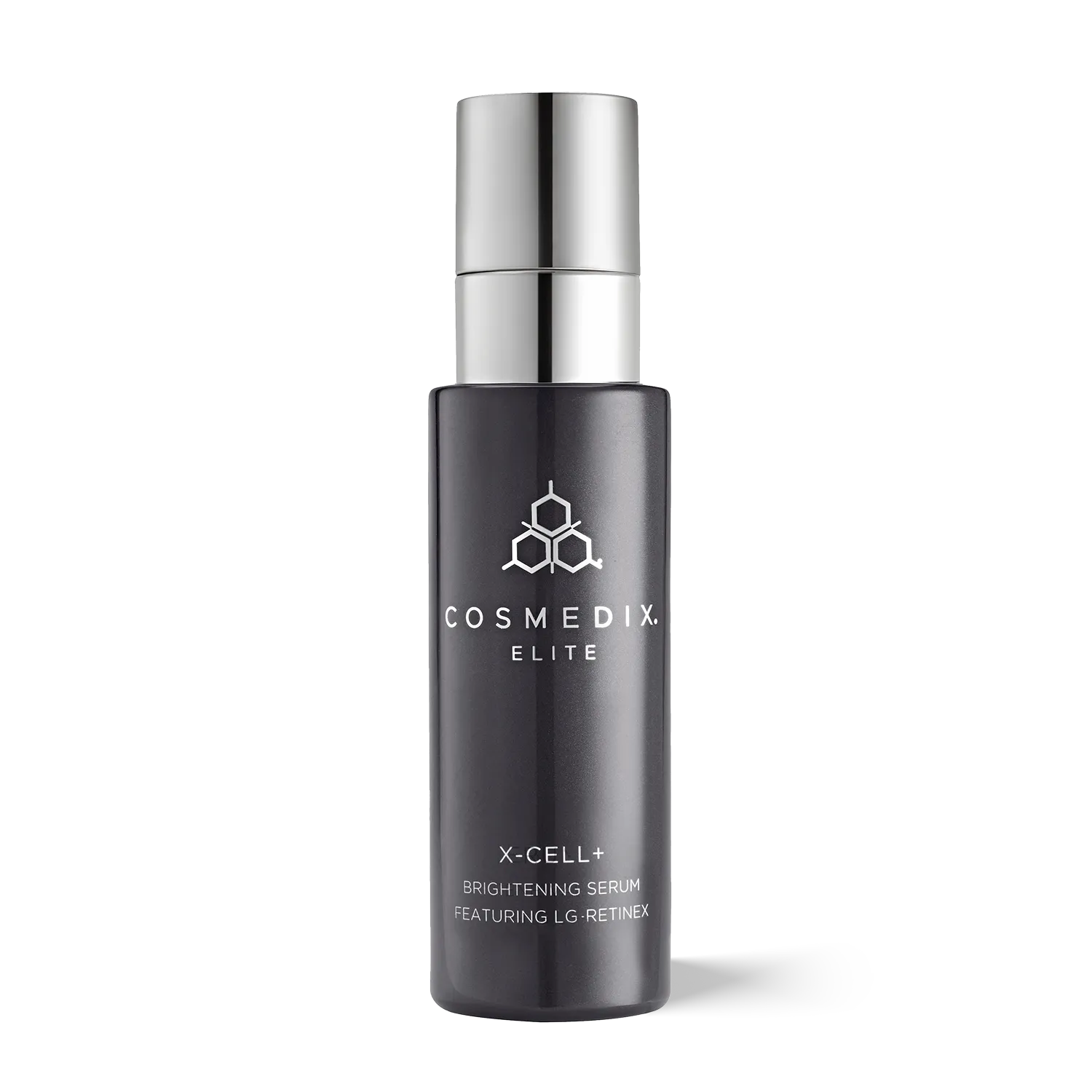
XCell+ Brightening Serum 30ml
An exceptional brightening and corrective serum combining Retinol, Retinaldehyde, and Glycosaminoglycans with powerful antioxidants, botanical extracts, and peptides. Gently exfoliates whilst revealing lighter, brighter, more evenly toned skin. Chirally correct and non-irritating — designed for consistent, long-term use on pigmentation-prone skin.
- Retinol + Retinaldehyde
- Brightening
- Even tone
- Non-irritating
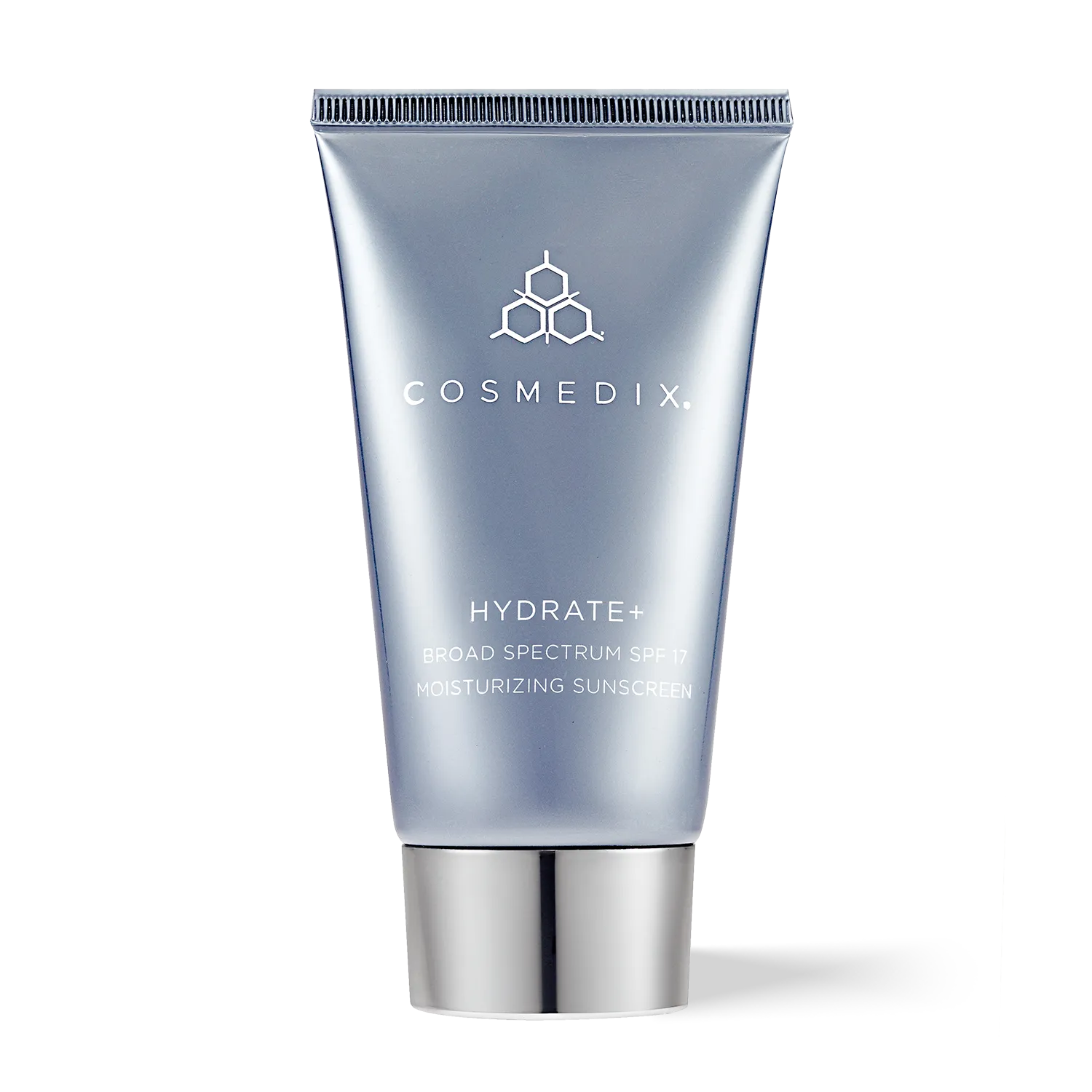
Hydrate+ SPF 17 Daily Moisturiser 60ml
A lightweight, non-greasy daily moisturiser that hydrates whilst protecting against UV exposure. Uses advanced ZinClear technology to provide physical sun protection without a white cast — suitable for even the most sensitive and pigmentation-prone skin. The ideal final step to lock in your treatment and shield your progress every single day.
- SPF 17
- ZinClear tech
- No white cast
- Sensitive skin
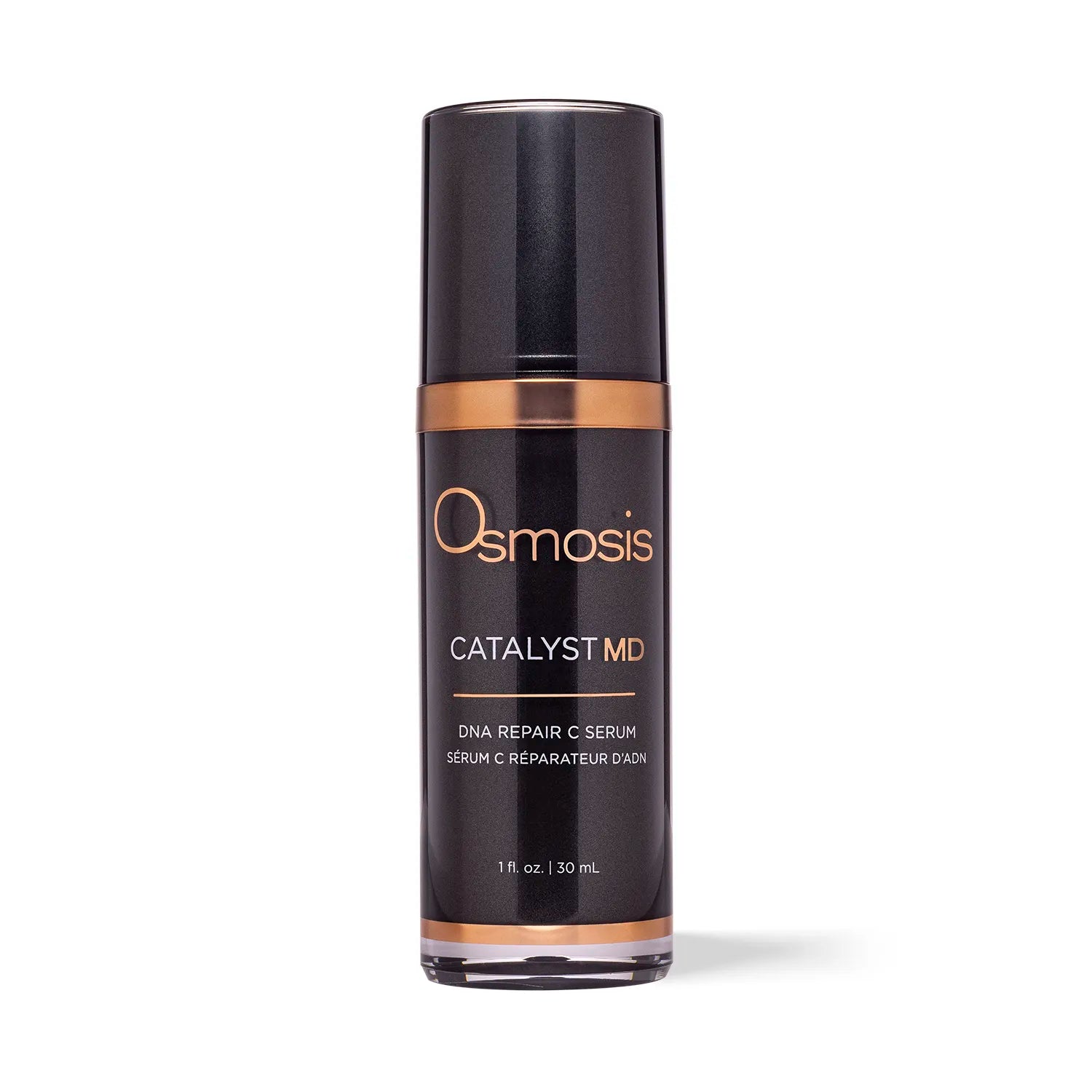
Catalyst DNA Repair C Serum 30ml
A clinically proven Vitamin C serum designed to transform skin tone and texture at the DNA level. Ideal for addressing pigmentation, acne scars, and sun damage — as well as serving as a go-to anti-ageing solution. Available on a named basis under the supervision of a certified skincare professional. The most targeted Vitamin C option in our pigmentation protocol.
- Vitamin C
- DNA repair
- Pigmentation
- Osmosis MD
The bright skin offer
Spend more, save more — and treat your skin to something extra. All tiers automatically applied at checkout whilst stocks last.
Leave a comment