
The Retinol Tolerance Map: When To Step Up, Step Down Or Stop
 ⚡ The core message
The best retinol is not always the strongest one. It is the one you can use consistently without overwhelming your skin. Strength is only one decision — frequency, support and timing matter just as much.
✨ Retinol Confidence Sale — selected productsSpend £250+ → FREE Osmosis Catalyst DNA Repair C Serum 30ml (worth £130) — one per order, whilst stocks last
You have heard that retinol is important. Anti-ageing, texture, glow, pores — it appears on every list. But alongside that, you have also heard the stories: peeling, breakouts, burning, sensitivity. So you hesitate, or you start at too high a strength, react, and stop.
The problem is rarely the retinol itself. It is that most people start without knowing what normal looks like, what is a warning sign, and what to do when things feel uncomfortable. This guide is a practical map for exactly that: how to read your skin's signals and respond correctly at every stage of a retinol routine.
Note: Vitamin A is not recommended during pregnancy or breastfeeding unless approved by a qualified professional. Keep all use cosmetic — if you have a medical skin concern, consult a practitioner.

The first thing to understand
Why strength is not the only retinol decision
The most common mistake with retinol is the assumption that starting stronger means getting results faster. In practice, the opposite is usually true. Start too strong and the skin reacts — flaking, burning, purging beyond what it can handle — and most people stop entirely. Consistent use at a tolerable level always outperforms an interrupted use at a high one.
Three variables determine how retinol works on your skin: strength (the concentration), frequency (how often you apply it), and support (what else you use alongside it). All three matter. Adjusting any one of them changes the experience significantly — which is why reducing frequency is almost always better than stopping entirely when things feel uncomfortable.
“Stronger is not always better. The retinol that works is the one you can use consistently — in the right order, at the right frequency, with the right support in place.”
Building tolerance
Why frequency matters as much as strength
Retinol tolerance is built over time, not achieved immediately. The skin adapts as it builds tolerance — and the rate at which you increase frequency should be guided by how your skin is responding, not by a fixed schedule. This is the introduction map we use in clinic.
1–2
Once per week only
Apply on one evening per week. Let the skin settle between applications. During this phase, mild dryness or a slight increase in skin shedding is normal. Anything more intense means slowing down, not stopping.
Use the sandwich method: a thin layer of moisturiser before and after the retinol to buffer the active.
3–4
Twice per week if tolerated
Only increase frequency if week one and two felt comfortable. If you experienced significant dryness or irritation, stay at once per week for another two weeks. The transition to twice weekly is a meaningful step — give the skin time to signal readiness.
Add a hyaluronic acid serum before your retinoid on application nights to reinforce hydration.
2
Every other night if comfortable
By month two, many skin types are ready to increase to three to four times per week. Monitor each increase for at least one week before progressing. Occasional dryness is fine at this stage — persistent tightness, redness or new breakouts in new areas are signals to step back.
SPF every single morning without exception. Retinoids increase photosensitivity significantly.
3+
Nightly use for established tolerance
Nightly use is the goal for experienced retinoid users. At this frequency, the skin is in consistent renewal mode and results accumulate meaningfully. Some skin types never reach nightly use — and for them, consistent alternate-night use with good barrier support delivers just as much benefit.
Ready to step up in strength? Only increase concentration once you are comfortably using your current formula three to four times per week with no adverse reaction.
Read your skin
The Retinol Traffic Light System
This is the fastest way to know what your skin is telling you and what to do next. Not every reaction is a warning. Not every discomfort means stop. The signals below tell you the difference.
Green
Continue as planned- ✓Mild dryness only, resolves between uses
- ✓Slight flaking around the nose or mouth in weeks 1–2
- ✓Skin feels comfortable between applications
- ✓Any purging stays in usual breakout zones
- ✓No stinging or burning on application
Amber
Reduce and add support- ⚠Persistent tightness that does not ease between sessions
- ⚠Flaking that spreads beyond the nose area
- ⚠Sensitivity to products that were previously tolerated
- ⚠Redness that takes more than 24 hours to settle
- ⚠Slight stinging that settles within seconds
Red
Stop and repair- ✗Burning or stinging lasting more than 30 seconds
- ✗Persistent redness that does not resolve within 48 hours
- ✗New breakouts in areas where you do not normally break out
- ✗Worsening with every application
- ✗Skin feels damaged, raw or compromised
Normal adjustment vs warning sign
Purging vs irritation — and when to keep going
Purging and irritation look similar in the first two weeks but have entirely different causes and different responses. Getting this right stops people abandoning a routine that was actually working.
- Appears where you normally break out
- Spots cycle through faster than usual
- No burning or stinging alongside spots
- Settles within 4–6 weeks
- Skin clearly improves once it clears
- Appears in new areas, not usual breakout zones
- Burning, stinging or soreness on application
- Persistent redness or tight, uncomfortable skin
- Does not improve after 6–8 weeks
- Worsens with every application
The three decisions
When to step up, step down, or stop and repair
Every retinol routine reaches a decision point. These are the conditions that determine which direction to take at each one.
- You have used your current formula at least 3–4 times per week for 8+ weeks
- Skin is comfortable with no persistent redness or dryness
- You are seeing results but feel ready for more
- Barrier is stable and tolerating other actives alongside
- SPF is a daily, consistent habit
- Skin feels tight, flaky or reactive between applications
- Sensitivity to products that were previously tolerated
- You increased frequency too quickly and are experiencing mild irritation
- A facial treatment or professional peel is planned soon
- Skin feels overwhelmed but not severely damaged
- Burning or stinging lasts more than 30 seconds on application
- Redness does not clear within 48 hours
- New breakouts appear in areas where skin never normally breaks out
- Skin feels raw, damaged or significantly compromised
- Every application makes things worse, not better
The support layer
Why hydration and barrier support make retinol work better
The single biggest reason retinol routines fail is not the formula — it is missing barrier support. A well-supported skin tolerates retinoids more consistently, at higher frequency, with fewer setbacks. These are the additions that make the biggest difference.
Hyaluronic acid before retinol
Applied on damp skin before the retinoid, HA draws moisture into the surface and creates a hydration buffer. It does not reduce the retinoid’s efficacy — it reduces the drying side effect significantly.
The sandwich method
Moisturiser → retinol → moisturiser. Buffers the active against direct contact with bare skin. Reduces irritation for beginners without reducing results. The method most recommended in clinic for the first 8 weeks.
Ceramide moisturiser after retinol
Ceramides rebuild the lipid layer that retinoids can temporarily deplete. A ceramide-rich moisturiser applied over the retinoid seals everything in and significantly reduces flaking and tightness between sessions.
SPF every morning without exception
Retinoids increase photosensitivity. Skipping SPF while using retinol actively works against what the active is trying to achieve and risks accelerating the very damage you are trying to reverse. SPF is part of the retinol routine, not separate from it.
Pause before professional treatments
Stop retinoids 5–7 days before any facial treatment, peel, or professional procedure. The skin is more reactive during retinoid use, and applying actives to post-treatment skin can cause significant irritation. Resume only once the skin has fully settled.
Occlusive balm on dry patches
If specific areas dry out — around the nose, mouth corners, or under the eyes — a thin occlusive balm applied to those spots only creates a targeted protective seal without affecting the rest of the retinol routine.
Why Retinol Confidence products are grouped together
The retinol itself. Serum 16 for beginners. Serum 24 for those ready to progress. Duo-A for high-tolerance, experienced users. Each uses encapsulated delivery to reduce irritation without reducing results.
The barrier support layer. Rescue Balm, Bio Cellulose Mask and Osmosis MD Remedy are in the collection because retinol without recovery support is one of the most common causes of a failed routine.
The morning protection. Peptide Rich Defence SPF 50 is in the collection because it is non-negotiable. No morning SPF means the retinol is working against a daily wave of UV damage. SPF completes the routine.
The surface prep. Prep & Reset pads and Crystal Cleanse prime the skin properly before actives. Retinol works better on a clean, prepped surface — these products make the whole routine more efficient.
The retinol-free alternative. Alt-A Bakuchiol and Prep & Reset are for customers not yet ready for retinol, or those whose skin needs a gentler introduction before progressing to a true retinoid.
Retinol should not feel like a punishment. If every application leaves your skin feeling worse, something in the routine needs to change — the frequency, the support, or the strength. Consistent, tolerable use always outperforms interrupted, painful use.
Routines to build
Find your starting point
Each bundle qualifies for the volume discount. Buy any two, three, or four selected products and your discount applies at checkout.
Beginner Retinol Routine
The safest, most supported start. Encapsulated retinol with hydration and daily protection built in.
Advanced Retinol Routine
For established retinoid users. Higher concentration retinal complex with age-management support and SPF.
Retinol-Free Routine
A complete active routine without retinol. Botanical retinol alternative plus gentle exfoliation and daily protection.
Eye Renewal Routine
Retinol for the eye contour (Eye Doctor only) paired with the advanced facial retinol and age management routine.
Recovery Support
For skin that needs to pause and repair. Barrier support, intensive mask hydration, and daily protection whilst the barrier recovers.
Featured products
The Retinol Confidence edit
Buy two, three, or four selected products and save up to 20%. Every product below is part of the sale.
● Vitamin A — retinoids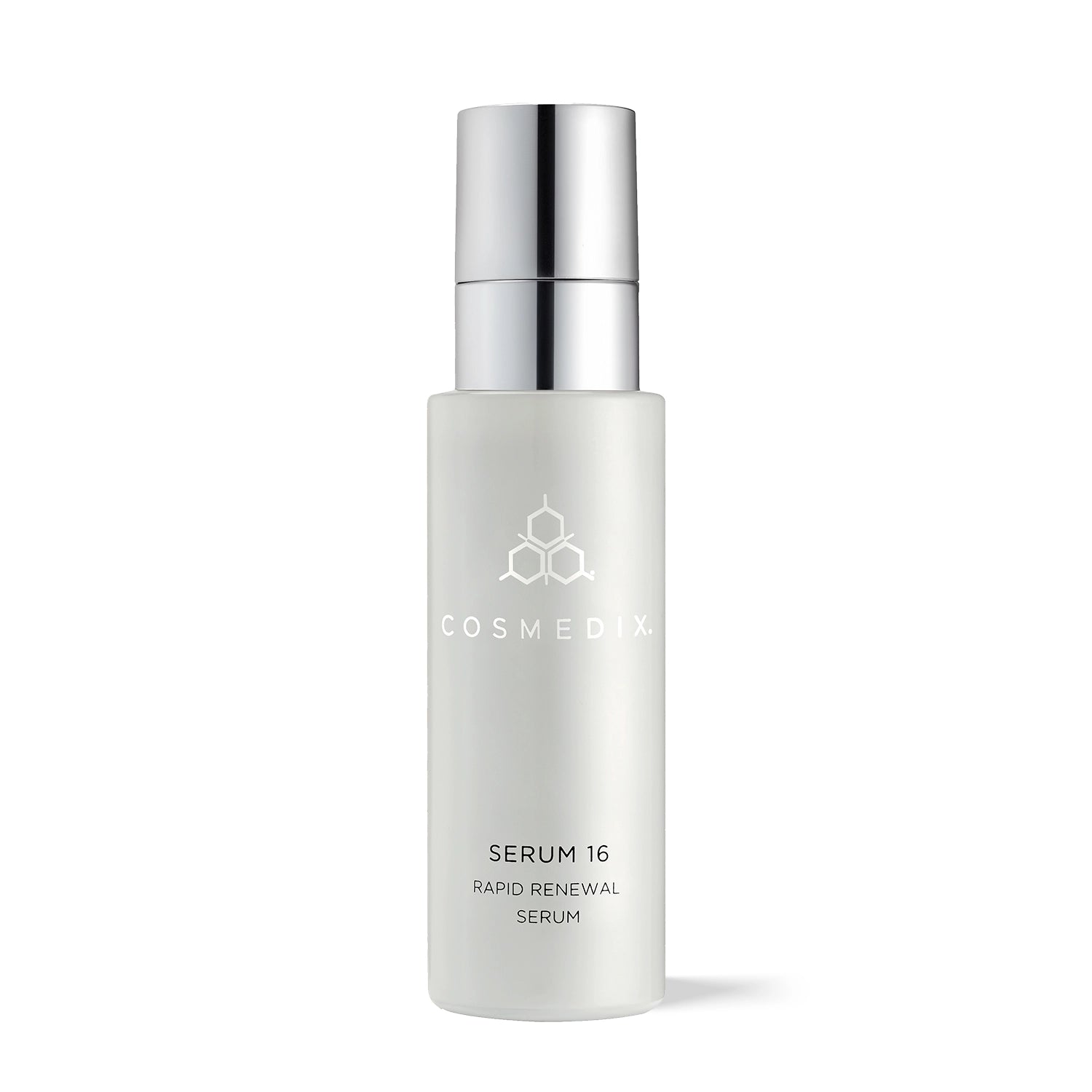
Serum 16 Retinol Complex 30ml
16% LG-Retinex complex combining encapsulated Retinol and Retinaldehyde. Clinically proven to visibly reduce fine lines, sun damage and uneven texture. Encapsulated delivery significantly reduces the irritation risk of traditional retinol formulas. The starting point for anyone new to Vitamin A.
- 16% LG-Retinex
- Encapsulated retinol
- Beginner
- £96.00
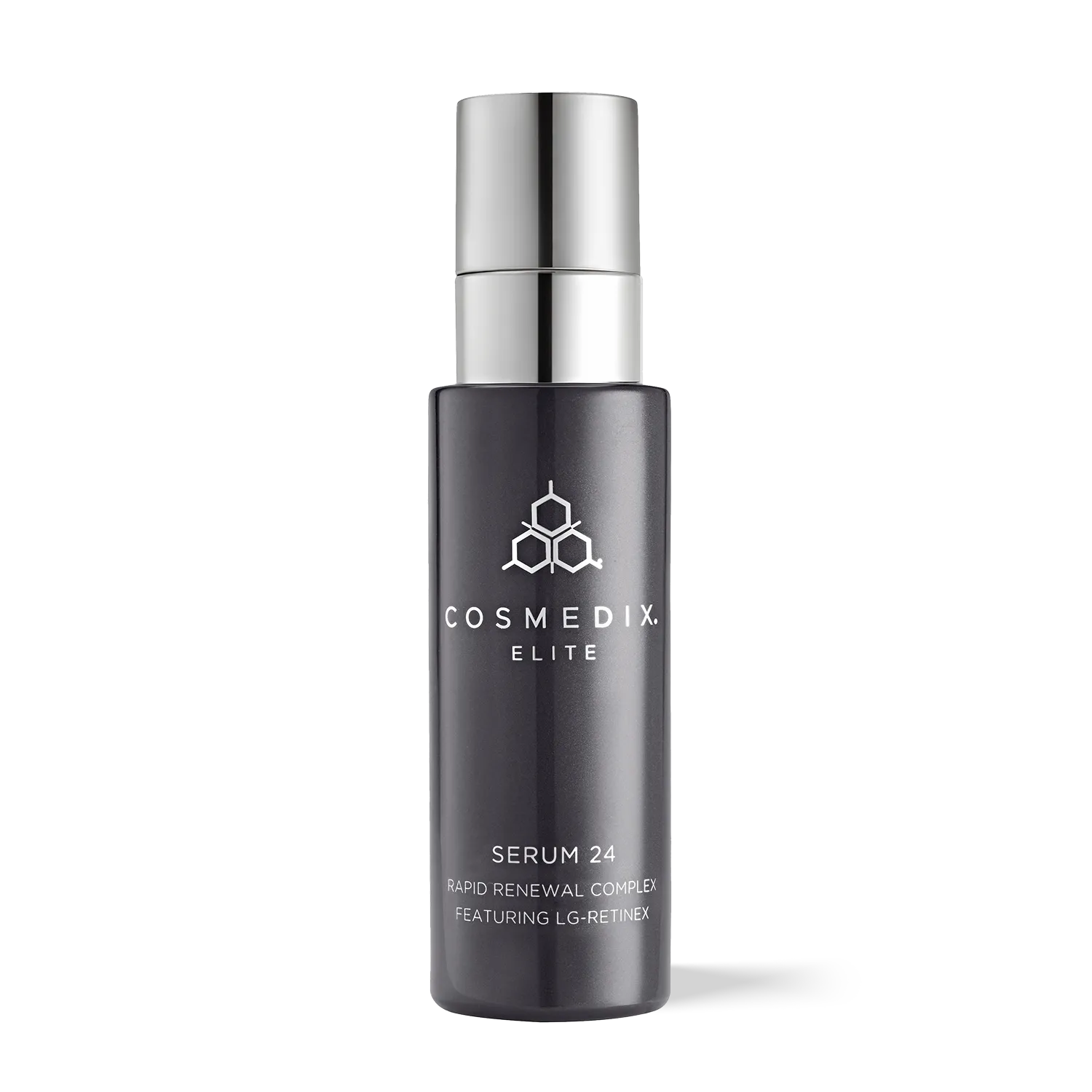
Serum 24 30ml
24% LG-Retinex complex including Retinol and Retinaldehyde — the step up from Serum 16 for established retinoid users. After 8 weeks, 91% of clinical study participants reported visibly reduced fine lines. For those who have built retinoid tolerance and are ready for a stronger, faster result.
- 24% LG-Retinex
- Retinal + Retinol
- Progression
- £115.00
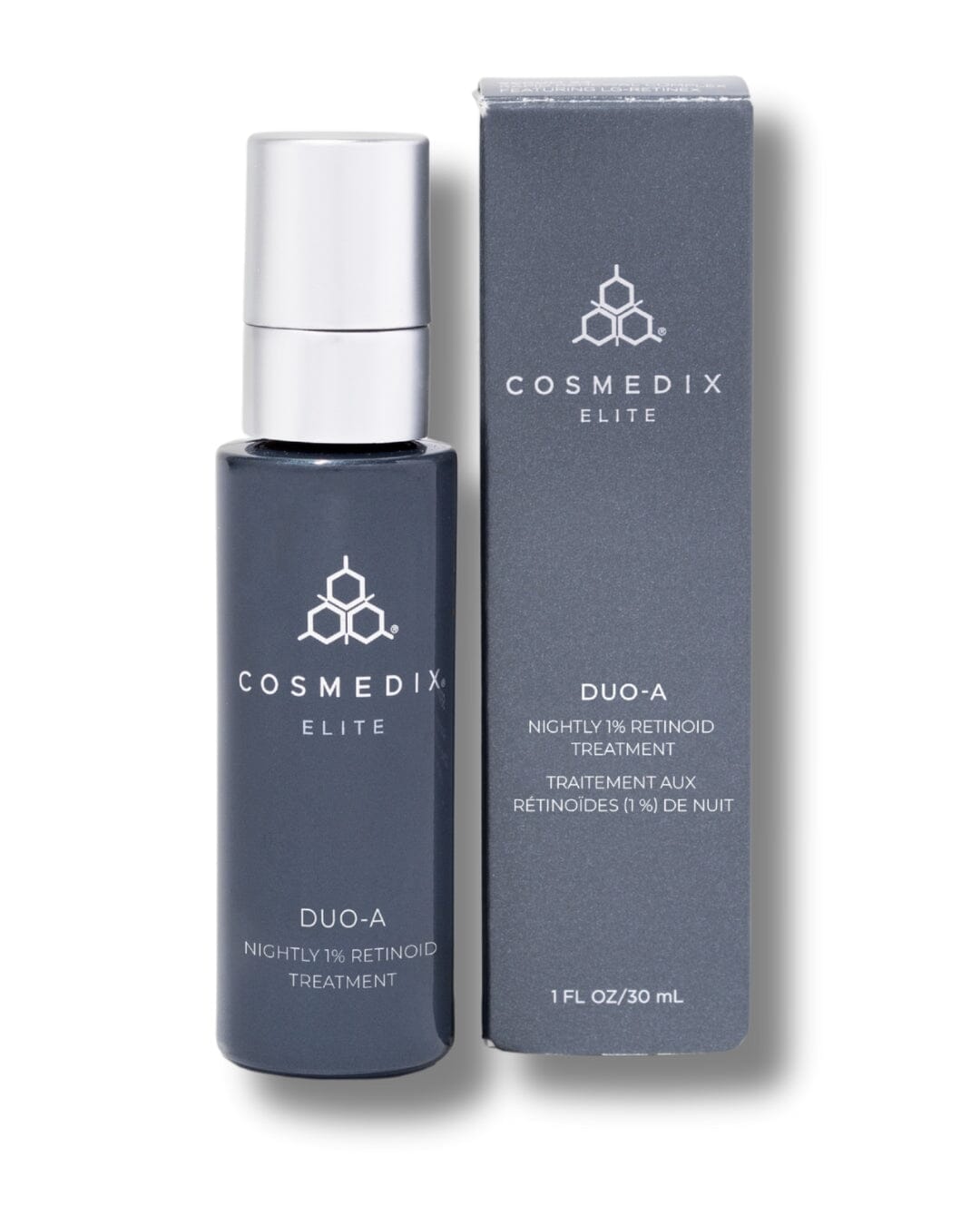
Duo-A Nightly 1% Retinoid Treatment 30ml
1% Retinal combined with 0.9% Retinol — one of the highest non-prescription concentrations available. Beta Glucan calms inflammation and fortifies the barrier. Shea Butter, Cocoa Butter and Jojoba Oil provide deep nourishment. For experienced retinoid users who want maximum results with built-in barrier support.
- 1% Retinal
- 0.9% Retinol
- Advanced
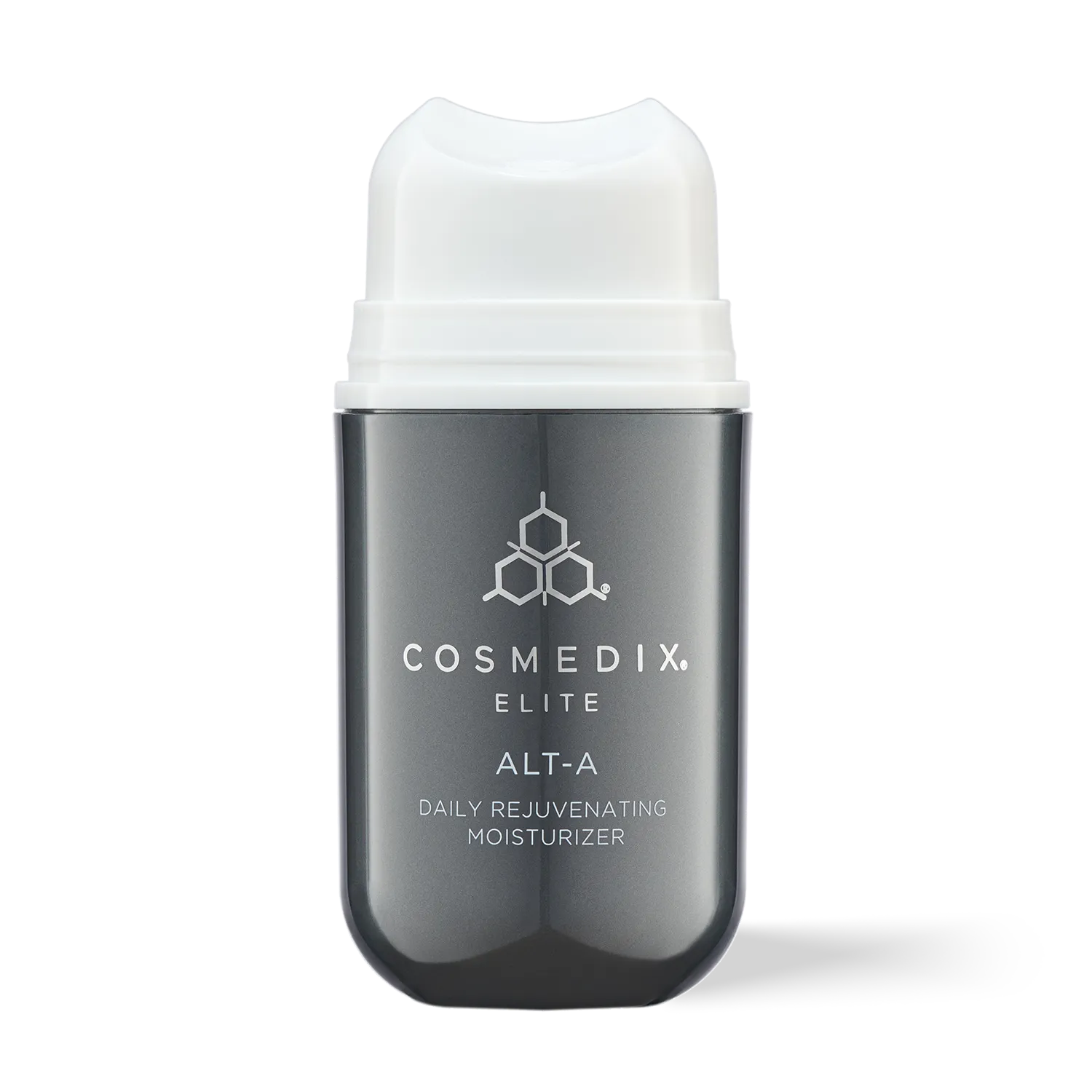
Alt-A Daily Bakuchiol 1% Rejuvenation Moisturiser 50ml
1% Bakuchiol — a plant-based retinol alternative — in a daily rejuvenation moisturiser with Silk Tree Extract, Jojoba, Shea Butter and Argan Oil. Delivers retinol-like results without the adjustment phase. Safe for sensitive skin from the first application.
- 1% Bakuchiol
- Retinol-free
- Sensitive-safe
- £86.00
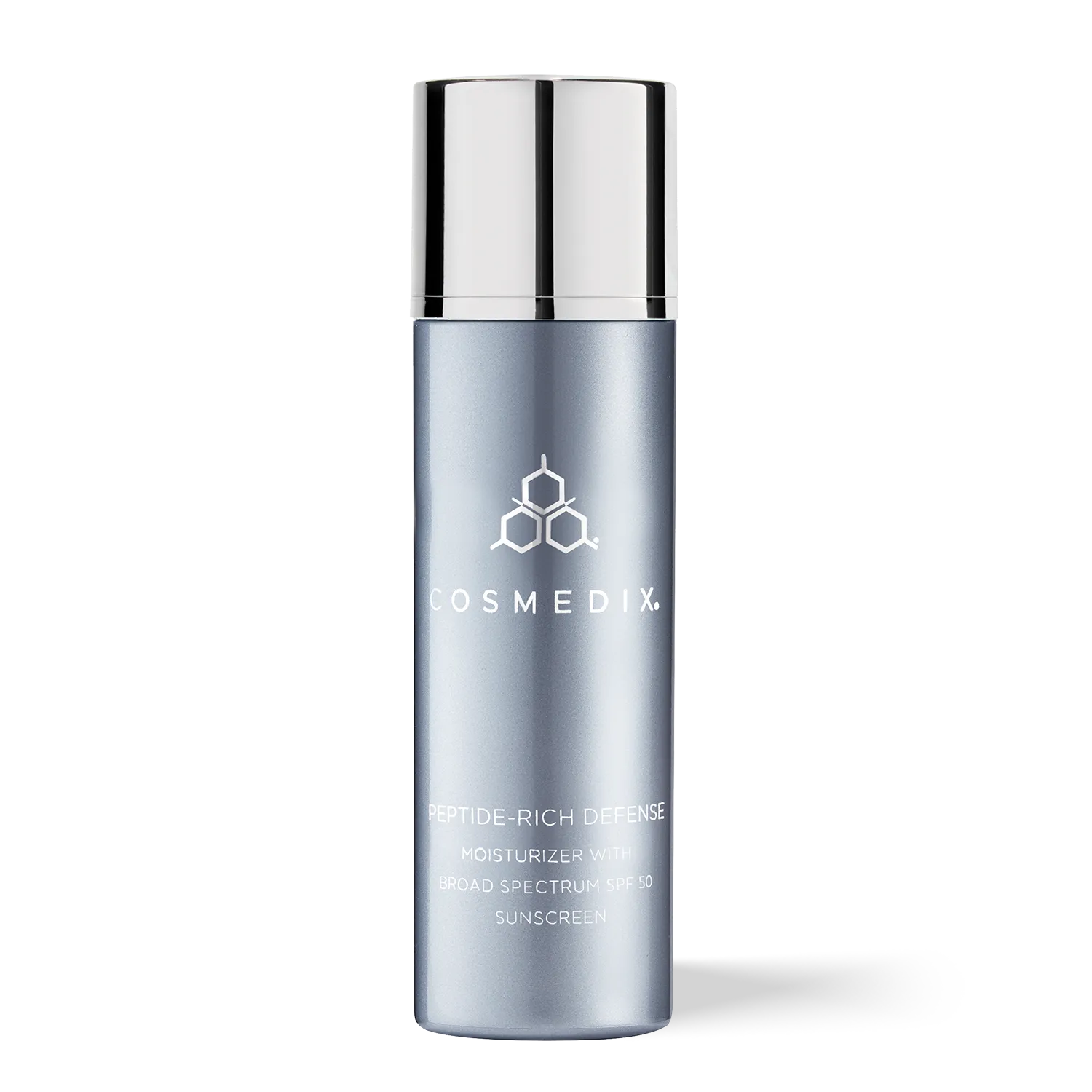
Peptide Rich Defence Sunscreen SPF 50 50ml
A lightweight, hydrating SPF 50 moisturiser with age-defying peptides that smooth the look of fine lines and wrinkles. Essential during any retinoid routine. Note: use Hydrate+ SPF17 (mineral formula) immediately after any professional facial treatment or peel.
- SPF 50
- Peptides
- Non-greasy
- £65.00
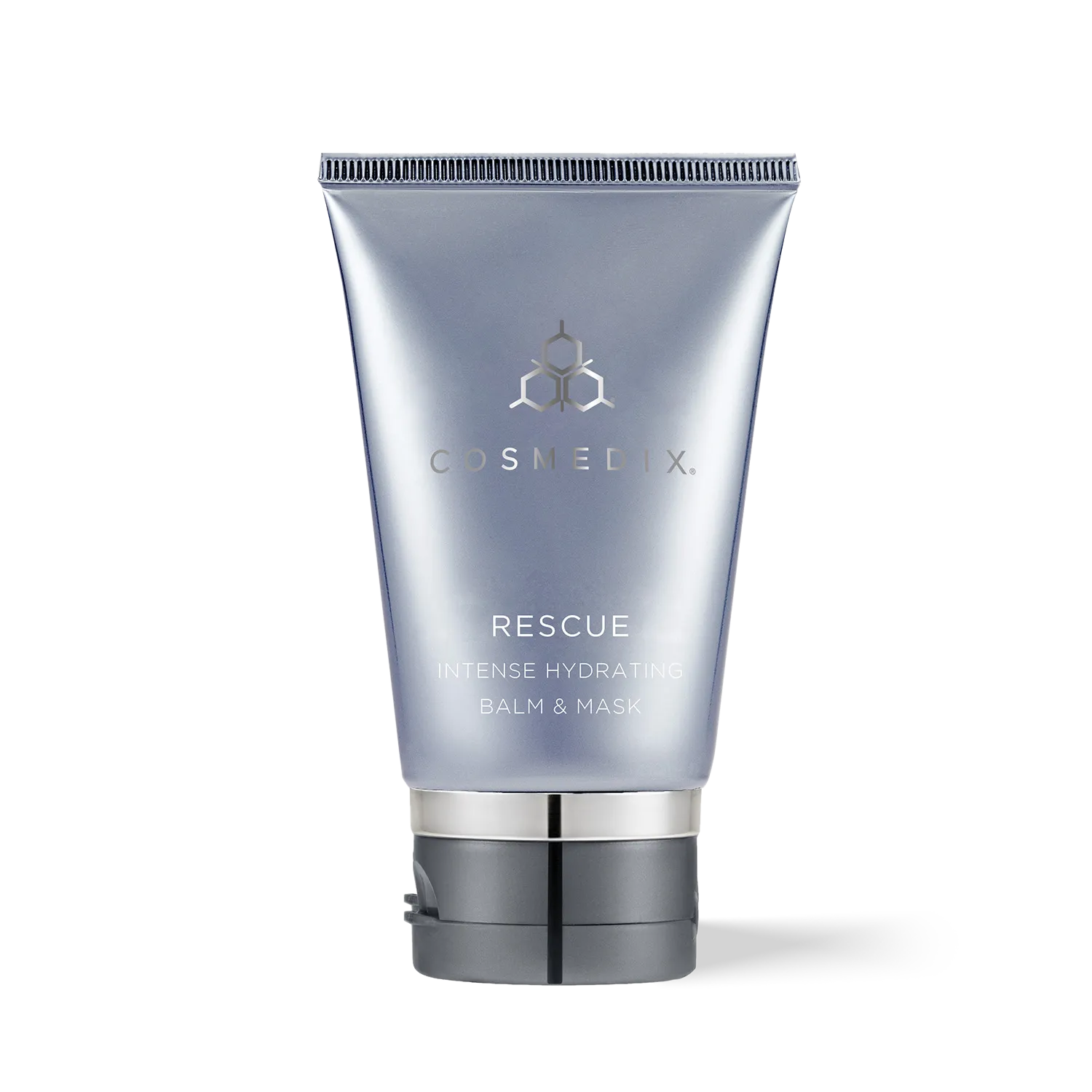
Rescue with Cherry Extract Balm & Mask 50g
An intense hydrating balm and mask for dry, reactive, or compromised skin. Cherry Extracts (Vitamin C), Shea Butter, Panthenol and Willowherb Extract soothe, nourish and reduce redness. Doubles as an overnight recovery mask when the barrier needs intensive support after retinoid use.
- Cherry extract
- Barrier repair
- Balm + mask
- £66.00
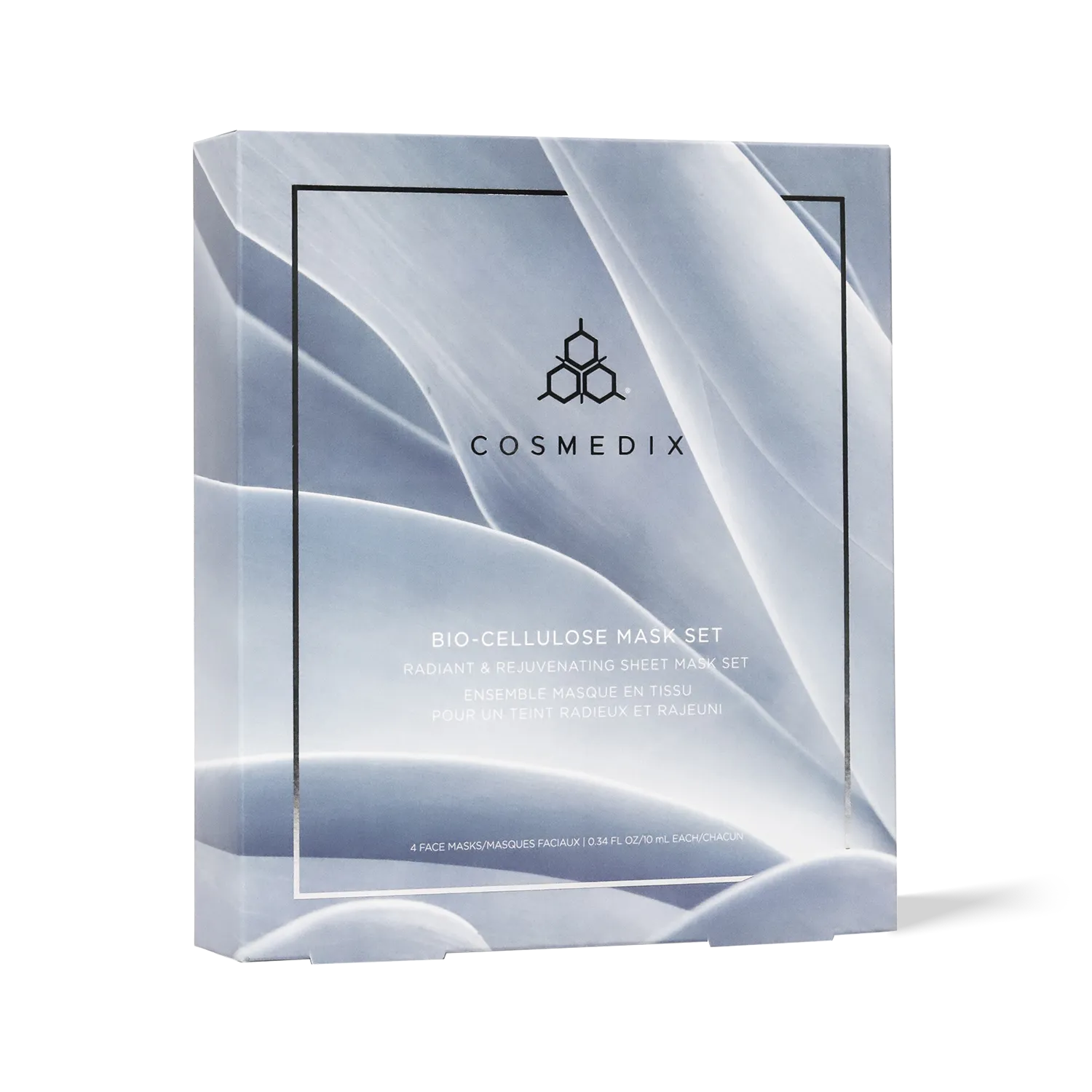
Bio Cellulose Mask (4 foil sachets)
A 4-piece sheet mask set including two Damask Rose-infused hydrating masks and two Vitamin C-infused brightening masks. Delivers intense hydration and helps restore elasticity and firmness after retinoid use. Leave on for 15 minutes and massage remaining serum into the skin.
- Damask Rose
- Vitamin C
- Hyaluronate
- £62.00
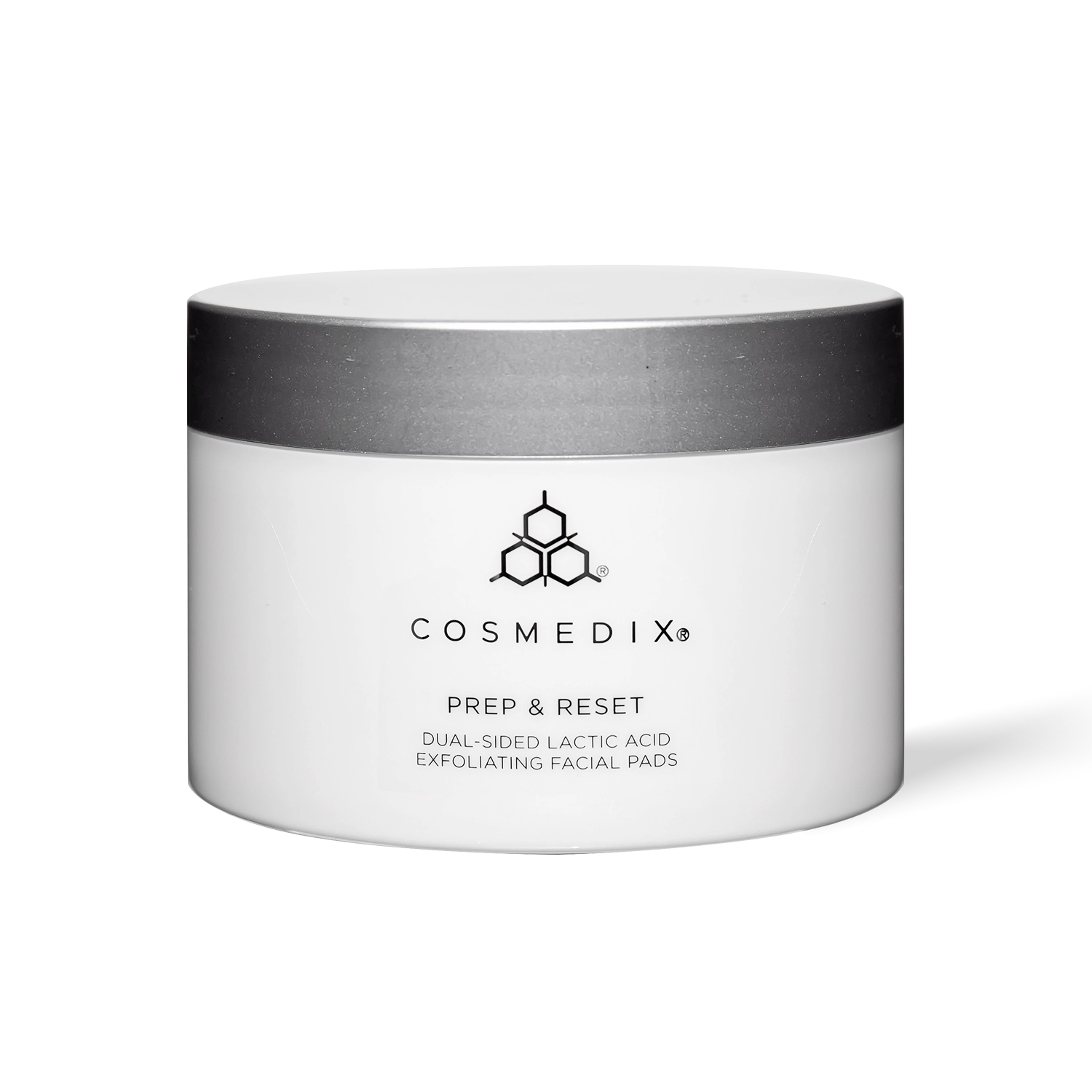
Prep & Reset Dual-Sided Lactic Acid Exfoliating Pads (x25)
Dual-sided lactic acid pads formulated with Phytic, Gluconic and Kojic Acids, Niacinamide and Retinyl Palmitate. The smooth side primes skin for serums; the textured side provides more intense exfoliation. Use a maximum of 3 times per week in the evening. Not for daytime use. Contains Vitamin A — not for use during pregnancy or breastfeeding.
- Lactic acid
- Niacinamide
- Dual-sided
- £71.00
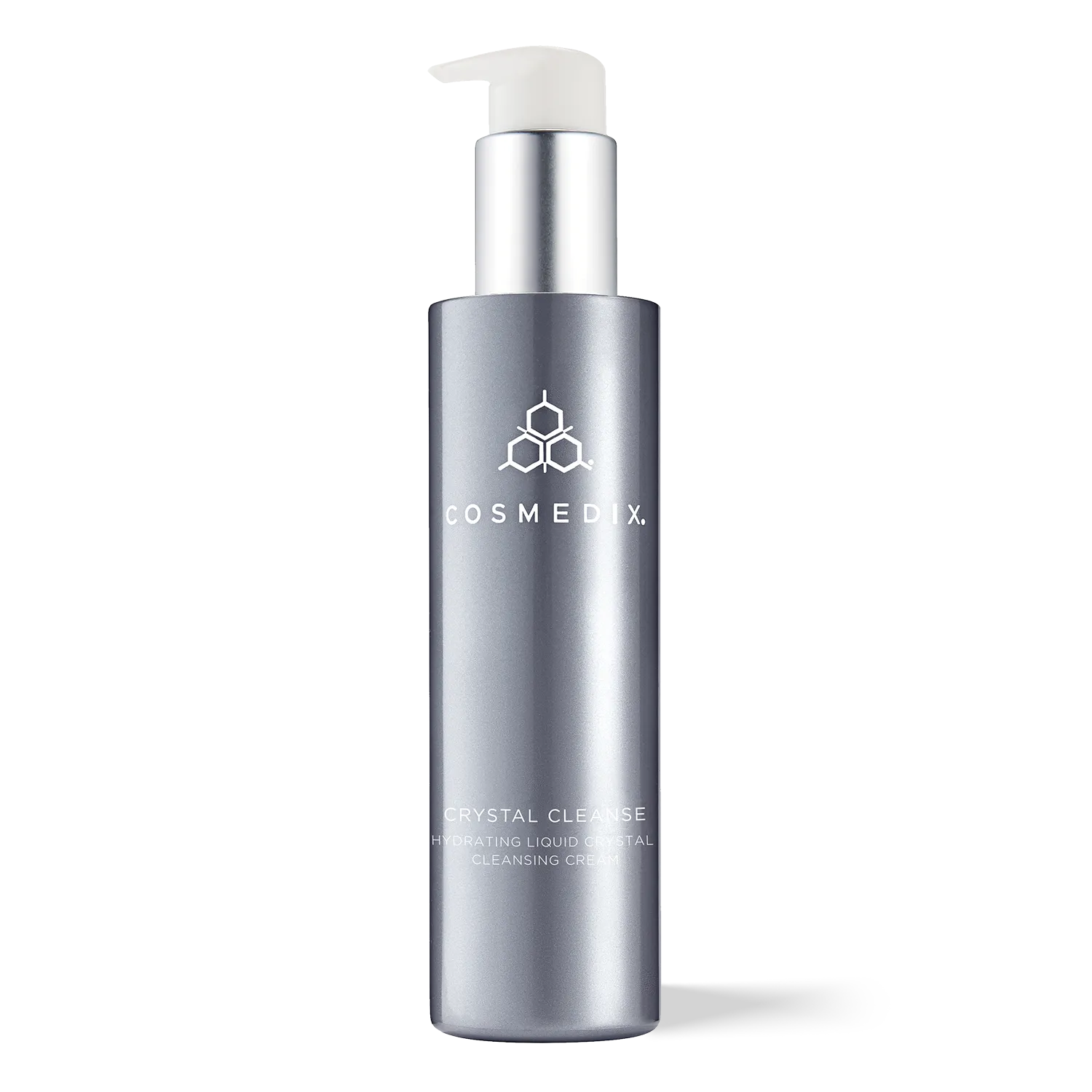
Crystal Cleanse Hydrating Liquid Crystal Cleansing Cream 160ml
A rich cream cleanser that removes debris and excess oil without stripping the skin’s moisture barrier. Liquid Crystal Technology locks in nourishing ingredients during cleansing. Coconut Oil and Prickly Pear Extract leave the surface smooth and hydrated — ideal before retinoid application.
- Liquid crystals
- Non-stripping
- Cream formula
- £50.00
Spend £250+ → FREE Osmosis Catalyst DNA Repair C Serum 30ml (worth £130)
One per order, whilst stocks last. Added automatically at checkout.
Common questions
FAQ — Retinol confidence
Is this normal? My skin is peeling after starting retinol.
Mild flaking in the first two to four weeks — particularly around the nose and mouth — is a normal adjustment response. It means the retinol is working. If the flaking is severe, spreads to new areas, or is accompanied by burning or stinging, reduce frequency and add barrier support. The sandwich method (moisturiser → retinol → moisturiser) usually resolves early peeling within a week.
Should I keep going if my skin has got worse?
Depends on how it has got worse. If you are experiencing mild dryness and some increased skin shedding in the usual areas, this is purging — continue. If you have burning, persistent redness or new breakouts in new areas, this is irritation — reduce frequency or stop and repair first. The Traffic Light System in this guide tells you which response is right.
Am I purging or irritated? How do I tell?
Location is the most reliable indicator. Purging appears where you normally break out — typically the chin, jaw, and nose. Irritation appears in new areas. Purging spots cycle through quickly without burning. Irritated skin stings, is persistently red, and worsens with each application. If you are unsure, reduce frequency to once per week and monitor for two weeks.
Should I use it less often?
If your skin is showing amber signals (tightness, flaking beyond the nose area, increased sensitivity), reducing frequency is almost always the right move before stopping entirely. Drop to once or twice per week, add the sandwich method, and give the skin two to three weeks to settle before increasing again.
When should I stop?
Stop immediately if you experience burning that lasts more than 30 seconds, redness that does not clear within 48 hours, new breakouts in areas where you never normally break out, or skin that feels damaged or raw after application. Pause for two to three weeks, focus on barrier repair, then reintroduce at lower frequency using the sandwich method.
How long does purging last?
A true retinol purge typically peaks in weeks two to four and should be largely resolved by weeks six to eight. If breakouts are still worsening after eight weeks, it is more likely irritation than purging, and the routine needs to change.
Shop the Retinol Confidence Sale
Start retinol the smarter way. Buy 2, 3, or 4 selected products and save up to 20%. Free UK shipping over £50.
One free gift per order, whilst stocks last. Free UK shipping on orders over £50.
Shop the Retinol Confidence Sale →
Leave a comment